


AI Language Tutor - Translate
0.00.00 Reviews
App Specs
- Version
- 1.0.2_20260416
- Updated On
- License
- Free
- Downloads
- 100,000+
- Developer
- Skytechlab Global App
- Categories
- Education
- Platform
- Android
Screenshots
 Analysis by AppCompare
When I want to turn a few spare minutes into useful language practice, I look for something that makes it easy to start and gives me a reason to keep going. AI Language Tutor aims to fill that role by combining language help with AI-guided practice. I’d approach it as a convenient study companion rather than a replacement for a full course: its appeal is the chance to work on vocabulary and speaking without having to arrange a lesson or find a conversation partner.
What to expect when you open it
The first practical question is how much effort it takes to get from opening the app to doing something useful. For a quick session, a language-learning tool works best when the next step is obvious: choose a task, try a phrase, and get back to your day. This app’s focus on AI tutoring, vocabulary building, and speaking practice points toward that kind of short, active use. I would still treat the first visit as an orientation rather than assume every option will suit me immediately; a little time spent finding a comfortable practice routine can make later sessions feel more purposeful.
AI responses can make practice feel more conversational than a static vocabulary list, but they do not remove the need to think. I get more value from entering a complete thought and then using the response to notice what I could say differently than from firing off isolated words. That approach turns a quick interaction into a small learning loop: attempt, review, and try again. It also gives me a more realistic sense of whether I can retrieve language myself, not just recognize it on a screen.
First Impressions
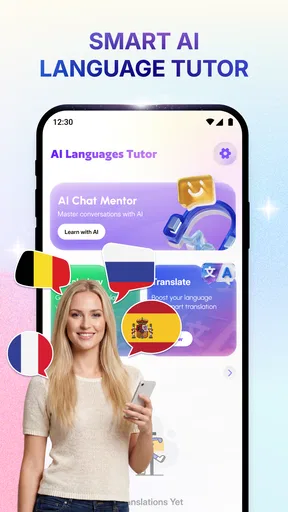
Upon launching AI Language Tutor, you're greeted with a sleek and intuitive interface. It's got that minimalist vibe that makes you feel like you're stepping into a futuristic classroom. Setting up is a breeze; no complicated sign-up processes. Just pick your language and you're good to go.
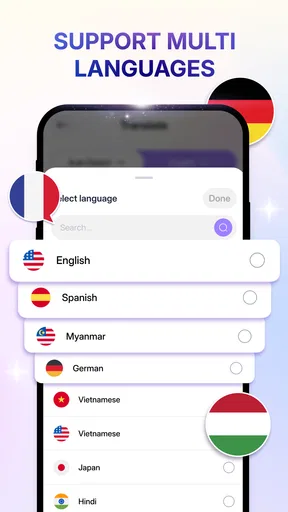
The app supports a wide range of languages, from French to Mandarin, and even some less common ones like Swahili. It's like having a multilingual buddy right in your pocket, ready to help you translate and learn on the fly.
Diving Into the Features
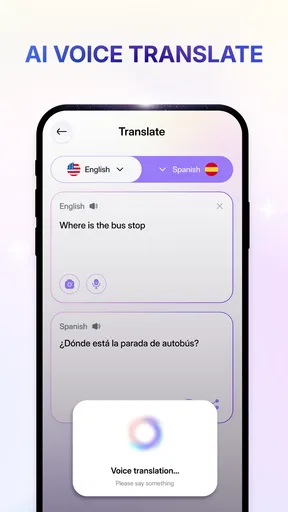
One of the standout features of this app is its real-time translation capability. Imagine you're traveling in a foreign country and you hit a language barrier. Just whip out your phone, type or speak the phrase, and voilà! Instant translation. It’s like magic, but way cooler.
But it doesn't stop there. The app isn't just about translating; it's designed to teach. It offers interactive lessons tailored to your proficiency level. Whether you're a total newbie or just brushing up on your skills, there's something for everyone. The lessons are bite-sized and engaging, making learning less of a task and more of a fun, daily habit.
Worth Reading Before You Choose

EA SPORTS FC Mobile 26 Is a Bigger Football Game, but It Takes Time

Flipboard Shows What News Apps Must Do Beyond the Feed

Switching to Android Auto Means Rethinking Your Driving Routine

Google Calendar Makes a Crowded Week Easier to Manage

Ludo King Makes the Most of the Minutes Between Plans

Baby Panda World Brings Quick Play to Modern Phones, but Its Game Library Feels Busy
Making speaking practice useful
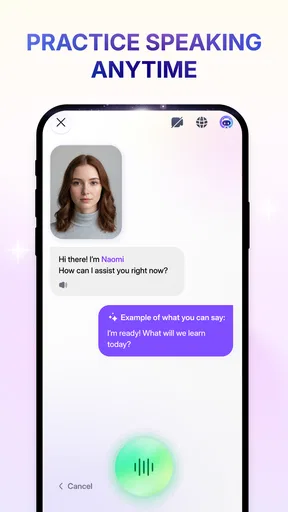
The biggest difference between a language app built around an AI tutor and a conventional phrasebook is the opportunity to produce your own language. For me, that is most useful when I bring a specific situation to practice: greeting someone, asking for directions, or explaining a simple preference. Instead of collecting another translation and moving on, I can use the interaction to rehearse how I might actually respond. That is a more practical goal than trying to sound fluent after a handful of short sessions.
There is a trade-off, though. A conversational AI can provide a low-pressure place to try, but it is not the same as speaking with a person who has their own accent, pace, and reactions. I would use it to build confidence and test basic phrasing, then look for real conversation when my goal is to understand varied speakers or handle an unpredictable exchange. If pronunciation and listening are priorities, I would pay attention to whether the app’s speaking workflow fits those needs rather than assume that any AI chat automatically covers them.
Learning Made Fun
What I really love about this app is how it gamifies the learning process. Each lesson comes with quizzes and challenges that keep you on your toes. Plus, you earn points and badges as you progress, which is a nice little motivator. It's kind of like turning language learning into a game where you’re always leveling up.
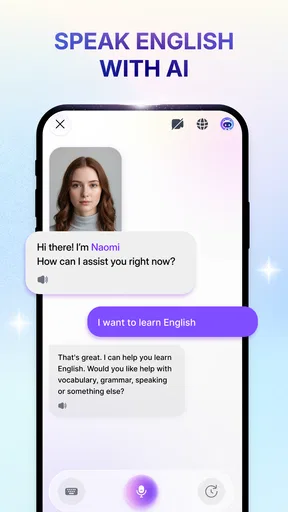
Another cool feature is the AI-powered chat section. Here, you can have conversations with the AI in the language you’re learning. It feels natural and is a great way to practice without the fear of making mistakes. The AI is patient and always ready to help you out, correcting your grammar and providing suggestions.
A routine that fits a real day
A realistic way I’d use the app is during a lunch break: spend a few minutes reviewing words, then try to use several of them in a short conversation about the afternoon’s plans. Later, I could return to the same topic and see what I can recall without looking at the earlier answers. The useful trick is to make each session serve a purpose, such as ordering food or introducing yourself, instead of asking for a stream of unrelated translations. That gives vocabulary a context that is easier to remember.
For a beginner, I’d keep prompts simple and repeat the same situation with small changes. Someone at an intermediate level could describe a recent event, then inspect the tutor’s corrections and rewrite the message. In either case, I would save unfamiliar phrases somewhere I already review; a conversation can feel productive in the moment, but new words are easy to forget if I never revisit them. This kind of self-directed workflow suits people who enjoy experimenting. Learners who need a strict syllabus, teacher feedback, or a clear path from one level to the next may prefer a structured course.
How it compares with other ways to study
Compared with flashcard apps, an AI tutor has a more active feel because I can attempt a sentence rather than only recognize a word. Flashcards can still be better for drilling a large vocabulary set consistently, especially when I want a focused review with little open-ended interaction. A textbook or guided course is often stronger for explaining grammar in sequence, while a human tutor can respond to tone, confusion, and real-world conversation in ways an automated partner cannot. I see this app as a useful middle ground for spontaneous practice, not a reason to abandon those other tools.
It may be particularly appealing if I already know what I want to improve but struggle to find a low-friction way to practise it. A traveler can rehearse common exchanges before a trip; a student can try forming sentences outside class; and a curious learner can use short sessions to keep a language present between more formal study. If I mainly need reliable translation for an important conversation, I would check the wording carefully and avoid treating an automated answer as authoritative. The app is a learning aid, so reviewing meaning and context remains part of the job.
Accessibility and Versatility
The app is available on both Android and iOS, making it accessible to a wide audience. It works seamlessly on a range of devices, from your smartphone to tablets. You can use it on the go, which is perfect for those quick study sessions during your commute or while waiting in line for coffee.
Moreover, the app offers offline access to previously downloaded lessons. This is a lifesaver for when you’re traveling without reliable internet access. No more excuses for skipping your daily practice!
Speed, stability, and device fit
For short practice, perceived speed matters less as a technical benchmark than as a feeling: can I get into a useful exercise before I lose the moment? The app’s compact learning premise is a good match for brief breaks, but any AI interaction can feel less immediate than a saved vocabulary list because it involves generating a response. I would use ready-made lesson material when I want predictable practice and choose a conversation when I have enough time to read, think, and respond. That simple distinction helps prevent a quick study window from turning into waiting for an open-ended exchange.
Heavy use can also change what feels convenient. If I spend a long stretch switching between translation, lessons, and chat, I am asking more of my attention than a short daily session does. I would break that work into small blocks and keep a note of useful corrections rather than assume that more screen time automatically means more learning. On a phone, typing longer answers may feel cramped; a tablet can be more comfortable for extended reading, while the phone makes quick practice easier to fit into the day.
My practical device check would be straightforward: confirm that the app runs on the device’s operating system, try one short lesson, and then test a speaking or chat exercise in the setting where I expect to use it. AI Language Tutor is free, is listed for Everyone, and is developed by Skytechlab Global App. It was released on April 15, 2026, and its current version is 1.0.2_20260416, with Android 8.0 as the minimum OS. Those details make it easier to judge basic compatibility, but they do not guarantee identical responsiveness on every device. If the app pauses or an interaction is interrupted, I’d retry a short exercise first and avoid relying on an unfinished session as my only record of new material.
Who will get the most from it
I think the best fit is someone who wants frequent, low-pressure contact with a language and is willing to steer their own practice. The AI tutor can make it easier to attempt sentences without worrying about holding up another person, while the vocabulary and lesson elements give a session a learning purpose beyond casual chatting. It also makes sense for a learner who has a class or textbook already and wants an extra place to apply what they are studying.
I would skip it, or pair it with a different resource, if I needed a carefully sequenced curriculum, dependable expert assessment, or substantial conversation with native speakers. It is also not the right sole tool for high-stakes translation: a polished response can still need human checking, especially where a misunderstanding would matter. A flashcard deck is more efficient for pure memorization, and a live teacher is better when I need someone to diagnose persistent mistakes. Choosing based on the task keeps the app’s strengths in perspective.
The Final Verdict
All in all, AI Language Tutor is a fantastic tool for anyone looking to learn a new language or improve their existing skills. It combines the power of AI with a user-friendly design, making language learning accessible and fun. Whether you're a student, a traveler, or just someone with a passion for languages, this app has something to offer.
So, if you're ready to embark on a linguistic adventure, give AI Language Tutor a shot. It's like having a personal language coach in your pocket, ready to assist you at any moment. Happy learning!
I would make the most of it by arriving with a small, concrete goal and leaving with a phrase or correction worth revisiting. Its average rating is currently 0.0, while installs have passed 100K; those figures are context, not a substitute for deciding whether its practice style suits you. If quick AI-guided exercises help you speak more often, it is worth trying as part of a broader routine. If you need a dependable course structure or human feedback, choose a resource built for that first and use this one only as a supplement.
Pros
- Offers real-time translation capabilities.
- Supports a wide range of languages.
- User-friendly interface for easy navigation.
- Voice recognition for hands-free use.
- Offline mode available for travel.
Cons
- May require a subscription for full features.
- Occasional inaccuracies in translation.
- Voice recognition struggles with accents.
- Limited customization options.
- Needs consistent updates for accuracy.
FAQs for AI Language Tutor - Translate
What features does AI Language Tutor - Translate offer?
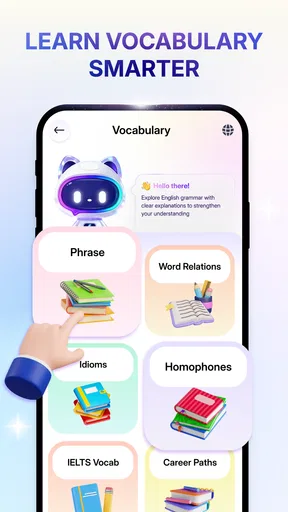
AI Language Tutor - Translate offers a wide range of features including real-time text and voice translation, language learning tools, pronunciation guides, and vocabulary builders. It supports multiple languages and provides a user-friendly interface, making it easy to navigate and utilize for both beginners and advanced users.
Is AI Language Tutor - Translate suitable for beginners?
Yes, AI Language Tutor - Translate is ideal for beginners. The app includes interactive lessons, simple navigation, and beginner-friendly language courses. It also offers step-by-step guides and tips to help users gradually build their language skills effectively and at their own pace.
Does AI Language Tutor - Translate work offline?
AI Language Tutor - Translate offers limited offline capabilities. While some basic vocabulary and language lessons can be accessed without an internet connection, features like real-time translation and advanced lessons require online access. Users can download specific content for offline use beforehand.
How does the speech recognition feature work in AI Language Tutor - Translate?
The speech recognition feature in AI Language Tutor - Translate allows users to practice pronunciation by speaking into the app. It then provides feedback on accuracy and areas for improvement. This feature is powered by advanced AI, making it highly accurate and beneficial for language learners.
Are there any in-app purchases or subscriptions required?
AI Language Tutor - Translate offers a free version with basic features. However, to access advanced features like premium language courses, ad-free experience, and personalized learning plans, users may need to opt for in-app purchases or a subscription model. Pricing details are available within the app.


